
<h1>Bamboo vs Microfiber Cooling Comforter: Full Comparison for Hot Sleepers</h1>
When shopping for a high-performance cooling comforter, two top options dominate the market: bamboo cooling comforter and microfiber cooling comforter. Both fabrics deliver breathable coverage designed for hot sleepers and night sweat sufferers, yet they differ widely in cooling mechanism, texture, moisture management, durability, price, and maintenance.
When considering a cooling comforter, the debate of bamboo vs microfiber cooling comforter comes to mind. Each offers distinct advantages in different scenarios.
Ultimately, understanding the differences between a bamboo vs microfiber cooling comforter will guide your purchase.
Many shoppers struggle to decide which material fits their lifestyle. Some prioritize natural eco-friendly fiber, while others need affordable, pet-resistant, easy-clean bedding. Understanding the core differences between bamboo vs microfiber cooling comforter will help you avoid wrong purchases and match bedding to your sleep habits, budget, and household environment. We reference textile performance research from The Sleep Foundation to provide objective comparison data.
<h2>Basic Material Overview</h2>
A bamboo vs microfiber cooling comforter comparison reveals key insights that affect comfort and suitability for different types of sleepers.
In conclusion, the bamboo vs microfiber cooling comforter provides distinct choices for today’s consumers.
<h3>Bamboo Cooling Comforter</h3>
Choosing between a bamboo vs microfiber cooling comforter can significantly impact your sleep quality.
Bamboo cooling comforters use bamboo rayon fiber, manufactured from sustainably harvested bamboo stalks. It is a natural regenerated cellulose fiber with built-in porous structure. Its cooling characteristic is inherent to the fiber itself and will not wash off over time. Premium models combine bamboo shell with lightweight down-alternative fill inside box-stitch compartments.
Evaluating a bamboo vs microfiber cooling comforter is essential for achieving optimal comfort during the night.
For heavy night sweats, a bamboo vs microfiber cooling comforter comparison is crucial in understanding which fabric suits you best.
Choosing the right material involves a thorough bamboo vs microfiber cooling comforter analysis.
When weighing the pros and cons, a bamboo vs microfiber cooling comforter offers different benefits for various needs.
<h3>Microfiber Cooling Comforter</h3>
Ultimately, the bamboo vs microfiber cooling comforter decision hinges on personal preferences and requirements.
Cooling microfiber comforters are constructed from ultra-fine synthetic polyester fibers. High-grade cooling microfiber features tight smooth weave structure. Many modern versions adopt engineered moisture-wicking treatments to boost heat dissipation. Microfiber is a fully synthetic material known for durability, stain resistance and affordable pricing.
<h2>Side-by-Side Performance Comparison: Bamboo vs Microfiber Cooling Comforter</h2>
<h3>1. Cooling Performance & Longevity</h3>
Bamboo fiber has naturally open micro-pores that continuously circulate air. Its cool-to-touch property does not rely on chemical coatings, so cooling performance remains consistent for years even after dozens of washes. It works excellently for people with heavy night sweats and menopausal hot flashes.
Standard cooling microfiber relies on fabric weaving design or surface cooling treatments. Low-cost microfiber products use temporary chemical coatings that gradually fade after repeated washing. High-quality tight-weave microfiber maintains stable airflow, but cannot match bamboo’s innate natural thermoregulation.
Understanding the unique features of a bamboo vs microfiber cooling comforter will enhance your buying decision.
<h3>2. Moisture-Wicking & Sweat Evaporation</h3>
Bamboo absorbs moisture quickly and spreads sweat thinly across fabric surface for rapid evaporation. It avoids that damp, clammy feeling after sweating and prevents sweat residue buildup.
Microfiber repels liquid on the surface rather than absorbing it. Light sweating evaporates well, but heavy continuous night sweat may accumulate on the fabric surface, creating slight stickiness compared with bamboo.
Evaluate all aspects in the bamboo vs microfiber cooling comforter discussion to tailor your bedding experience.
<h3>3. Texture & Skin Comfort</h3>
Bamboo fabric offers silky, luxuriously soft touch, similar to Tencel. It has a smooth non-irritating surface, ideal for sensitive skin, eczema and allergy sufferers. It rarely creates static electricity in dry environments.
Premium microfiber is soft, but cheap microfiber can feel slightly slippery or plasticky. Microfiber generates static more easily during dry winter weather, which may irritate sensitive skin for some users.
<h3>4. Pet Hair Resistance</h3>
Smooth microfiber tight weave is the winner for pet owners. Pet hair slides off easily and rarely embeds deep into fabric. A simple shake or quick lint brushing removes fur efficiently.
Bamboo is smooth, but its fiber structure still catches finer pet dander and tiny hairs more easily compared with high-density microfiber. Households with heavy-shedding cats and dogs usually prefer microfiber cooling comforters.
<h3>5. Stain Resistance & Cleaning Convenience</h3>
Microfiber’s non-absorbent surface repels liquid spills, paw stains and dirt. Most stains sit on top and can be spot cleaned quickly before sinking into fibers. It dries rapidly after washing.
Bamboo absorbs liquids faster. Spills must be cleaned immediately to avoid permanent staining. It also requires gentler care to prevent fabric hardening if exposed to harsh detergent.
<h3>6. Hypoallergenic Properties</h3>
Bamboo contains natural antibacterial characteristics that inhibit bacterial and odor growth. It resists dust mite reproduction when kept dry, perfect for allergy-prone sleepers.
Microfiber does not have natural antibacterial effects. However, its tight weave blocks dust mites and allergens from penetrating inside, as long as the fabric stays clean and dry.
<h3>7. Price Range</h3>
Bamboo cooling comforters belong to the mid-to-premium price tier. Raw bamboo fiber production costs are higher, so retail pricing is generally more expensive.
Cooling microfiber comforters cover wide price ranges. Budget-friendly options are widely available, making microfiber the best choice for shoppers with limited bedding budgets.
<h3>8. Eco-Friendliness</h3>
Bamboo grows rapidly with minimal pesticide, making it a sustainable natural resource. High-quality bamboo rayon is biodegradable.
Microfiber is polyester synthetic plastic fiber. It is not biodegradable and has higher environmental impact during production and disposal.
<h2>Advantages & Disadvantages Summary</h2>
<h3>Bamboo Cooling Comforter Pros</h3>
- Natural permanent cooling without chemical coating
- Superior sweat evaporation for heavy night sweats
- Silky smooth, low-static, ideal for sensitive skin
- Natural antibacterial and odor-resistant
- Sustainable eco-friendly raw material
<h3>Bamboo Cooling Comforter Cons</h3>
- Higher purchase price
- Less resistant to pet hair embedding
- Requires timely stain removal to avoid marks
- More prone to wrinkling compared with microfiber
<h3>Microfiber Cooling Comforter Pros</h3>
- Budget-friendly multiple price options
- Excellent pet hair and stain resistance
- Wrinkle-resistant, neat appearance after washing
- Fast drying, durable and long lifespan
- Wide selection of colors and sizes
<h3>Microfiber Cooling Comforter Cons</h3>
- Low-grade versions lose cooling treatment after washing
- Prone to static electricity in dry climate
- Less effective for severe continuous night sweats
- Synthetic material, not biodegradable
<h2>Who Should Choose Bamboo Cooling Comforter?</h2>
- Hot sleepers with severe night sweats or menopausal hot flashes
- People with sensitive skin, eczema, or chronic allergies
- Users looking for natural, chemical-free bedding
- Those who prioritize eco-friendly sustainable home textiles
- Sleepers who dislike static electricity and silky soft texture preference
<h2>Who Should Choose Microfiber Cooling Comforter?</h2>
- Dog and cat owners dealing with constant pet hair
- Budget shoppers searching for cost-effective cooling bedding
- Busy households that need stain-resistant, easy-to-clean bedding
- People who want wrinkle-free bedding that maintains tidy appearance
- Families needing multiple guest room cooling comforters
<h2>Common Buying Misconceptions</h2>
<h3>Misconception 1: All bamboo comforters have 100% bamboo shell</h3>
Many low-cost products mix bamboo with polyester. Always check fabric composition label. High-performance cooling models usually contain 30% or higher bamboo rayon content.
<h3>Misconception 2: All microfiber cooling comforters perform equally</h3>
Thick loose-weave microfiber traps heat. Only tight ultra-fine weave microfiber delivers reliable cooling performance. Avoid overly cheap thin microfiber bedding.
In the end, the bamboo vs microfiber cooling comforter question is central to your sleep comfort.
<h3>Misconception 3: Bamboo is always cooler than microfiber in all scenarios</h3>
In conclusion, knowing the differences in bamboo vs microfiber cooling comforter will aid your selection process.
For light sweating and dry climate, premium microfiber works great. Bamboo shows obvious advantages mainly under heavy sweat conditions.
<h2>Care Tips for Bamboo & Microfiber Cooling Comforters</h2>
Your best option in a bamboo vs microfiber cooling comforter ultimately reflects your preferences and needs.
<h3>Bamboo Cooling Comforter Care</h3>
Wash on cold gentle cycle, mild detergent only, never bleach or fabric softener. Air dry or low tumble heat. Avoid prolonged direct sunlight to prevent fiber aging.
<h3>Microfiber Cooling Comforter Care</h3>
Cold gentle wash, skip fabric softener (causes static buildup). Low heat or air dry. Remove promptly after drying to reduce static generation.
<h2>Frequently Asked Questions About Bamboo vs Microfiber Cooling Comforter</h2>
<h3>Which is better for night sweats, bamboo or microfiber?</h3>
Bamboo is better for moderate to severe night sweats thanks to superior moisture absorption and rapid evaporation. Microfiber works well for mild sweating.
<h3>Which one is better for pet owners?</h3>
High-density cooling microfiber is the top pick for households with cats and dogs due to outstanding pet hair resistance.
<h3>Does bamboo cooling comforter get softer after repeated washing?</h3>
Quality bamboo fabric gradually becomes softer after several washes, while poor-quality bamboo blends may turn stiff without proper care.
<h3>Can microfiber cooling comforter be used all season?</h3>
Yes, premium lightweight microfiber all-season cooling comforters adapt to summer heat and mild winter temperatures.
<h2>Final Conclusion: How to Make Your Final Choice</h2>
The winner between bamboo vs microfiber cooling comforter depends entirely on your personal sleep conditions, household environment and budget. If you suffer from heavy night sweats, have sensitive skin and prefer natural eco-friendly bedding, invest in a high-content bamboo cooling comforter. If you own pets, need stain-resistant easy-maintenance bedding with friendly pricing, a premium tight-weave microfiber cooling comforter is your ideal option.
Neither material is universally “better”. Matching fabric characteristics to your daily sleep needs is the key to long-term satisfying cool, sweat-free sleep.
<h2>Contact Us for Personalized Bedding Material Advice</h2>
If you are unsure whether bamboo or microfiber cooling comforter suits your climate, sleep style and family situation, reach out to our team for tailored recommendations.
<h2>Featured Image SEO Package</h2>
Image Title:Bamboo vs Microfiber Cooling Comforter Comparison
Alt Text:bamboo vs microfiber cooling comforter, pros cons bamboo and microfiber cooling bedding for hot sleepers
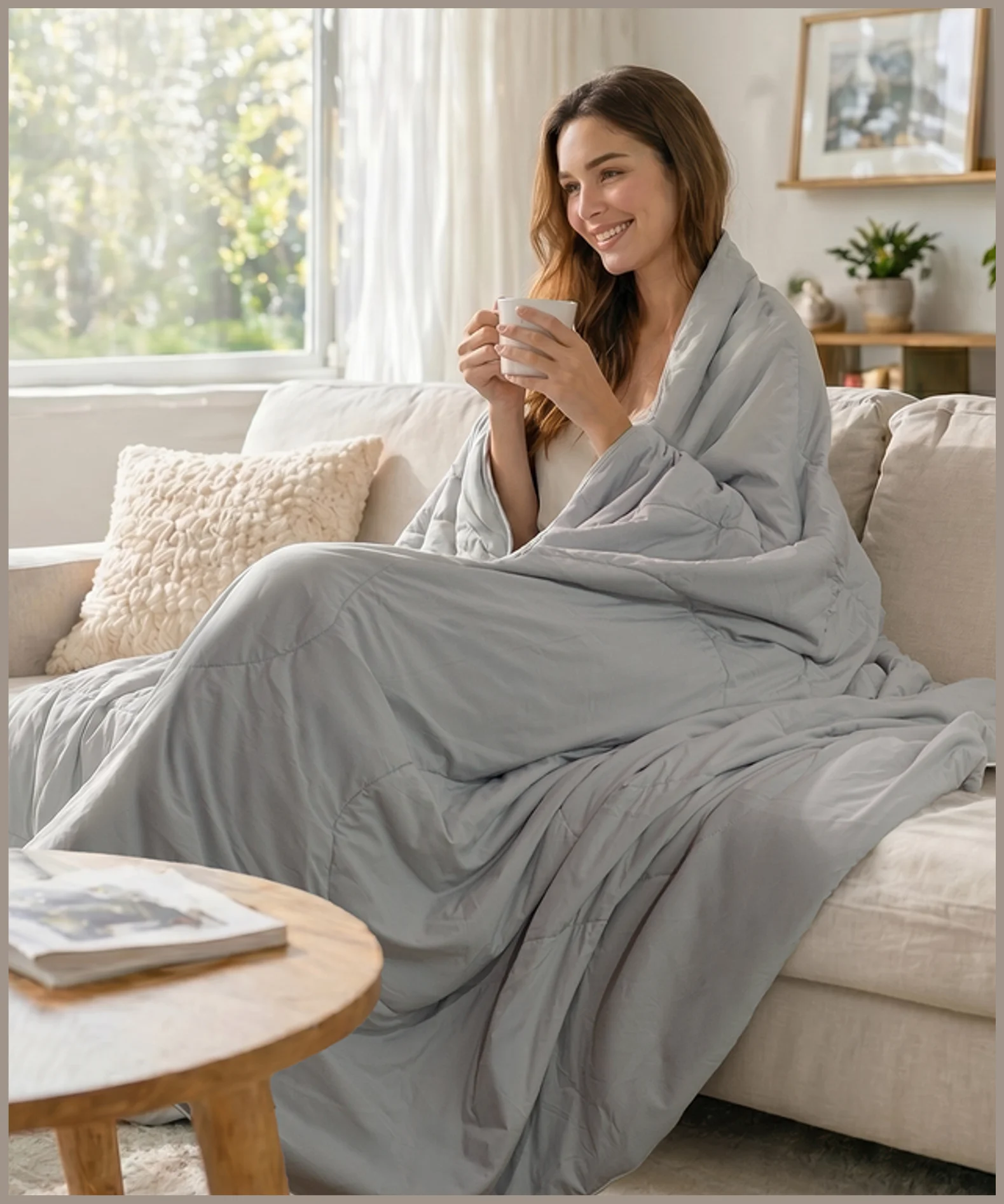
Caption:Complete comparison of bamboo cooling comforter and microfiber cooling comforter to select best bedding
Consider how each option in the bamboo vs microfiber cooling comforter market aligns with your lifestyle.
Description:Compare bamboo and microfiber cooling comforter on cooling performance, sweat control, pet resistance, texture and price for hot sleepers.
<h2>Internal Linking Suggestions</h2>
Link to cooling comforter for hot sleepers blog | Link to bamboo cooling comforter blog | Link to pet hair resistant cooling comforter blog | Link to how to wash cooling comforter blog
Remember, your ideal choice in a bamboo vs microfiber cooling comforter will reflect your sleep habits and lifestyle.
The advantages of each fabric in the bamboo vs microfiber cooling comforter debate will help guide your selection.
Both options in the bamboo vs microfiber cooling comforter realm offer benefits worth considering.
For tailored recommendations, weigh the factors in the bamboo vs microfiber cooling comforter selection process.
Ultimately, your bamboo vs microfiber cooling comforter selection should meet your specific needs.
Explore the data on bamboo vs microfiber cooling comforter to make an informed choice.
Ultimately, the bamboo vs microfiber cooling comforter analysis must reflect your individual sleep preferences.
The right choice in a bamboo vs microfiber cooling comforter is essential for ensuring a restful night.