<h1>Cooling Comforter Size Guide: How to Choose Perfect Size for Any Bed (2026)</h1>
Choosing the right cooling comforter size is just as important as picking the right fabric and cooling technology. Many hot sleepers invest in high-performance cooling comforters only to ruin their sleep experience with ill-fitting sizes — either too small that it slips off the bed, or too oversized that it folds, bunches, and traps massive amounts of heat.
For a comprehensive understanding, refer to our cooling comforter size guide.
This cooling comforter size guide will set you on the right path to achieving optimal comfort.
Unlike regular bulky comforters that look fine even when oversized, cooling comforters rely on flat, unobstructed airflow to deliver consistent cooling. Wrong sizing creates hot spots, fill shifting, restricted ventilation, and uneven sweat evaporation. Whether you have a Twin, Full, Queen, King, or California King bed, this professional cooling comforter size guide will help you match the perfect dimensions for sweat-free, cool sleep year-round.
We reference standard mattress sizing and sleep comfort principles from The Sleep Foundation to ensure accurate, bedroom-ready sizing recommendations.
Consult our cooling comforter size guide to ensure you select the right fit for your needs.
Ultimately, a cooling comforter size guide is essential for effective sleep solutions.
<h2>Why Cooling Comforter Size Matters More Than Regular Comforters</h2>
Most homeowners overlook sizing because regular thick comforters are forgiving. Bulky fill hides awkward folding, overhang, and mismatched dimensions. However, cooling comforters operate on completely different functional rules.
<h3>1. Oversized Cooling Comforters Trap Heat Easily</h3>
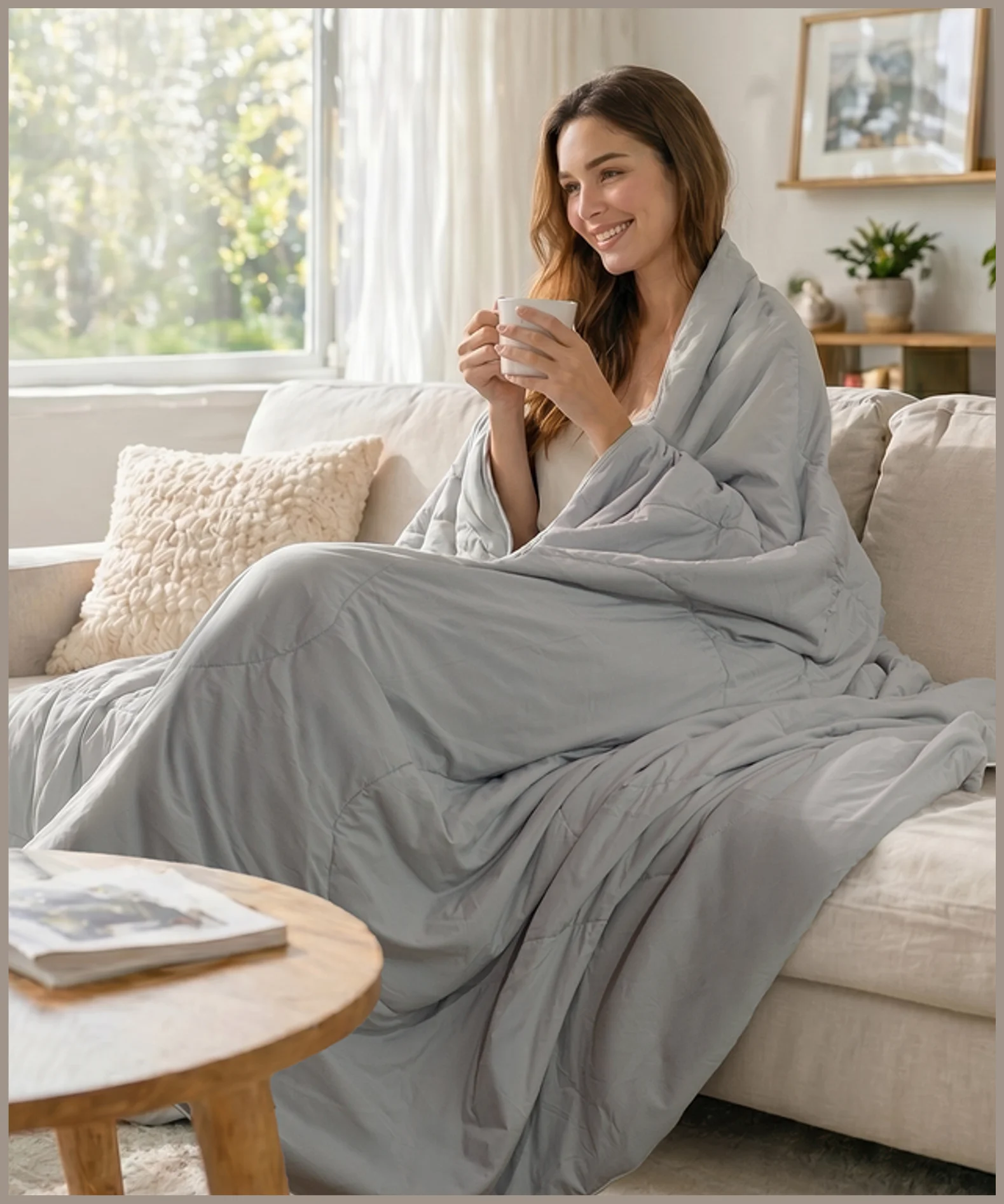
Cooling bedding works best when lying flat. Extra fabric length creates layered folds and creases that stack on the sides of the bed. These folded layers block airflow, retain body heat, and completely negate the comforter’s breathable design. For hot sleepers, oversized cooling comforters defeat the entire cooling purpose.
<h3>2. Undersized Comforters Cause Uneven Coverage & Cold Spots</h3>
A small cooling comforter shifts easily during tossing and turning, leaving arms, legs, and shoulders exposed. Uneven coverage creates inconsistent temperature regulation, leading to partial sweating and disrupted sleep.
Read our cooling comforter size guide for the best recommendations.
<h3>3. Wrong Size Ruins Aesthetic & Bedding Balance</h3>
Cooling comforters feature lightweight, sleek designs. Improper sizing ruins the clean, minimalist bedroom look, creating sagging, awkward bedding lines that affect overall bedroom decor.
Our cooling comforter size guide will help you avoid common pitfalls.
Ensure you check the cooling comforter size guide before purchasing.
<h2>Standard Cooling Comforter Size Chart (By Bed Type)</h2>
Below are industry-standard, sleep-tailored cooling comforter dimensions optimized specifically for cooling bedding performance (not regular comforter sizing).
Following our cooling comforter size guide can enhance your sleeping experience.
For tailored advice, refer to the cooling comforter size guide.
<h3>Twin Bed (Twin Size Cooling Comforter)</h3>
The cooling comforter size guide is an essential tool for all consumers.
Recommended Comforter Size:68” x 88”
Twin mattresses are common in kids’ rooms, dorm rooms, and guest bedrooms. A perfectly sized twin cooling comforter provides full single-person coverage without excess overhang. This size prevents folding and heat trapping while remaining lightweight and easy to launder. Ideal for single sleepers, children, and teenagers prone to night sweats and overheating.
Make decisions based on our comprehensive cooling comforter size guide.
<h3>Full / Double Bed (Full Size Cooling Comforter)</h3>
Recommended Comforter Size:78” x 88”
Full beds offer more width than twin mattresses for single adults or petite couples. The full-size cooling comforter delivers expanded coverage without oversized bulk. It maintains flat airflow across the entire mattress surface, perfect for master bedrooms with smaller bed frames and minimalist bedding setups.
<h3>Queen Bed (Queen Size Cooling Comforter)</h3>
Recommended Comforter Size:90” x 90”
Queen size is the most popular bed size for master bedrooms and couples. The optimized queen cooling comforter size balances perfect coverage and zero excess fabric. It covers two sleepers completely, prevents side gaps, and avoids heavy folding that causes heat buildup. This is the best-selling, most versatile cooling comforter size for standard household use.
<h3>King Bed (King Size Cooling Comforter)</h3>
Recommended Comforter Size:106” x 92”
King mattresses require wider cooling comforters to cover full bed width and accommodate two adult sleepers with active movement. The king-size cooling comforter provides generous side overhang without excessive trailing fabric. It maintains even cooling distribution for couples with hot sleep tendencies.
<h3>California King Bed (Cal King Cooling Comforter)</h3>
Recommended Comforter Size:104” x 98”
California King beds are longer and narrower than standard king beds. Custom Cal King cooling comforter dimensions prioritize extra length for tall sleepers while avoiding unnecessary width bulk. This prevents foot-area gaps and maintains full-body cooling coverage for tall adults.
<h2>Key Factors That Change Your Ideal Cooling Comforter Size</h2>
<h3>1. Height of Sleepers</h3>
Tall sleepers require longer comforter dimensions to cover feet and legs fully. Too-short cooling comforters slide down during sleep, exposing lower body areas and causing temperature inconsistency.
<h3>2. Single Sleeper vs Couple Sleeper</h3>
Utilizing the cooling comforter size guide can transform your sleep setup.
Couples need wider comforters to prevent coverage gaps during tossing and turning. Single sleepers can stick to standard or slightly smaller sizes for flatter, better airflow performance.
<h3>3. Mattress Thickness</h3>
Thick pillow-top mattresses require slightly more overhang. Thin platform beds work perfectly with standard sizing. Excessively thick mattresses need a minor size upgrade to avoid short, tight-fitting comforters.
Enhance your understanding by following the cooling comforter size guide.
<h3>4. Preference for Overhang</h3>
For optimal results, consult the cooling comforter size guide.
Cooling comforters only need minimal overhang (6–10 inches). Long drape over the bed sides creates folded layers that trap heat, so avoid maximum overhang common with winter comforters.
<h2>Cooling Comforter Sizing Mistakes Hot Sleepers Must Avoid</h2>
<h3>Mistake 1: Upsizing for “Extra Comfort”</h3>
Most people upsize regular comforters for coziness. For cooling bedding, upsizing creates redundant fabric layers that kill airflow and trap heat, turning a premium cooling comforter into a warm, stuffy blanket.
<h3>Mistake 2: Using Regular Comforter Size Standards</h3>
Regular comforter sizing prioritizes coverage and warmth. Cooling comforter sizing prioritizes flatness and airflow. Following traditional sizing charts leads to oversize bedding and reduced cooling performance.
<h3>Mistake 3: Ignoring Mattress Depth</h3>
Proper sizing outlined in the cooling comforter size guide is vital.
Shallow mattresses with deep-frame beds make standard comforters look too small, while thick mattresses make standard comforters look too short. Failing to account for depth leads to poor coverage and inconsistent cooling.
<h3>Mistake 4: One-Size-Fits-All Bedding for All Seasons</h3>
The cooling comforter size guide will enhance your bedding choices.
Oversized winter comforters cannot double as summer cooling comforters. Their excess fabric ruins cooling functionality, requiring dedicated correctly sized cooling bedding.
<h2>How to Measure Your Bed for the Perfect Cooling Comforter</h2>
Refer to our cooling comforter size guide for reliable sizing information.
Step 1: Measure mattress width and length precisely
Use a measuring tape to record exact bed dimensions, do not rely on labeled bed size alone (many off-brand mattresses have slight sizing deviations).
Step 2: Calculate ideal overhang (6–10 inches total)
Add small overhang on both sides for secure coverage without folding. Never exceed 12 inches of total overhang for cooling comforters.
Step 3: Account for mattress thickness
In conclusion, refer to the cooling comforter size guide for perfect selection.
Add extra length if your mattress exceeds 12 inches in depth to prevent short coverage.
Step 4: Match to standard cooling comforter size
Cross-reference your calculated size with our optimized size chart for the perfect match.
<h2>Why Proper Sizing Maximizes Cooling Comforter Performance</h2>
Our cooling comforter size guide is here to assist you.
A correctly sized cooling comforter lies completely flat on the mattress surface. Flat fabric ensures every fiber pore remains open, allowing maximum cross-airflow and fast heat dissipation. Sweat evaporates evenly across the entire surface, eliminating localized damp spots and hot zones.
Knowing the cooling comforter size guide is essential for better sleep.
Gain insights from the cooling comforter size guide to improve your sleep.
Our cooling comforter size guide ensures you make informed decisions.
Proper sizing also prevents fill shifting and bunching during washing and sleeping. Uniform fill distribution maintains consistent softness and cooling touch across every inch of the bed, preserving the comforter’s engineered temperature-regulating performance long-term.
Understanding the cooling comforter size guide is crucial for achieving comfort.
<h2>Frequently Asked Questions About Cooling Comforter Sizing</h2>
<h3>Should I size up my cooling comforter?</h3>
No. Sizing up ruins cooling performance by creating folded heat-trapping layers. Always stick to the exact recommended size for your bed.
<h3>Can a queen cooling comforter fit a king bed?</h3>
No. A queen comforter will be too narrow for a king bed, creating constant coverage gaps and uneven cooling.
<h3>Is oversized cooling comforter bad for hot sleepers?</h3>
Yes. Excess fabric bunches up, blocks airflow, traps body heat, and negates the comforter’s moisture-wicking and cooling abilities.
<h3>Do cooling comforters shrink after washing?</h3>
Premium cooling comforters are shrink-resistant, but proper sizing accounts for minimal fabric tolerance to ensure perfect fit after repeated washes.
<h2>Final Conclusion: Perfect Sizing = Maximum Cooling Performance</h2>
Fabric quality and cooling technology are useless without correct sizing. A perfectly fitted cooling comforter maintains flat airflow, even sweat evaporation, and consistent temperature regulation all night long. While regular comforters tolerate sloppy sizing, cooling bedding relies on precise dimensions to deliver its core benefits for hot sleepers.
By following this professional cooling comforter size guide, you can avoid common sizing mistakes, maximize your bedding investment, and enjoy uninterrupted, sweat-free cool sleep every night.
<h2>Contact Us for Custom Cooling Comforter Sizing Help</h2>
If you have an unusual mattress size, extra-thick mattress, or unique bedroom setup, contact our team for personalized cooling comforter sizing recommendations.
<h2>Featured Image SEO Package</h2>
Image Title:Cooling Comforter Size Guide for All Bed Sizes
Alt Text:cooling comforter size guide, perfect cooling comforter size for twin full queen king cal king beds
Caption:Complete cooling comforter size chart and sizing tips for perfect fit and maximum cooling performance
Description:Learn exact cooling comforter sizes for all bed types, avoid oversized or undersized bedding, and optimize cooling sleep comfort.
<h2>Internal Linking Suggestions</h2>
Link to cooling comforter for hot sleepers blog | Link to lightweight cooling comforter blog | Link to how to wash cooling comforter blog | Link to cooling comforter benefits blog