

<h1>How to Wash Cooling Comforter: Step-by-Step Care Guide (No Cooling Loss)</h1>
Knowing how to wash cooling comforter correctly is essential for every hot sleeper who relies on temperature-regulating bedding for sweat-free sleep. Unlike regular cotton comforters, cooling comforters are made of sensitive cooling fiber weaves that can lose their cooling touch, breathability, and moisture-wicking ability if cleaned improperly. Many users complain their cooling comforter “stops working” after the first wash — this is almost always caused by wrong detergent, wrong washing mode, or high-heat drying methods. If you want to preserve your comforter’s cooling performance for years, you must learn how to wash cooling comforter the right way.
Cooling comforters absorb body oil, sweat residue, dust, and dead skin cells every night. Without proper cleaning, clogged fabric pores block airflow, trap heat, and gradually eliminate the cooling effect. To back up our professional care tips with sleep science, we reference bedding maintenance research from The Sleep Foundation.
<h2>Why Washing Cooling Comforter Is Different From Regular Bedding</h2>
Regular comforters are thick, insulated, and designed to withstand harsh washing cycles. Cooling comforters use ultra-fine cooling textile technology, special moisture-wicking structures, and lightweight open weaves that are far more delicate. Traditional washing habits destroy cooling comforters in three key ways: harsh chemicals coat cooling fibers and block heat dissipation ability, high heat drying shrinks the fabric and closes breathable pores, and fabric softener creates a surface film that completely eliminates sweat-wicking performance. This is why learning how to wash cooling comforter properly is the only way to maintain consistent night sweat relief and cool sleep all year round.
<h2>How Often Should You Wash Your Cooling Comforter?</h2>
Washing frequency directly affects hygiene and cooling performance. For standard household use, follow these professional timelines to keep your cooling comforter fresh and functional.
<h3>Normal Use: Wash Every 3–4 Weeks</h3>
If you sleep with the cooling comforter nightly with light sleepwear, washing every 3 to 4 weeks removes accumulated sweat residue and dust buildup. This keeps fabric pores open and maintains maximum airflow and cooling efficiency for daily hot sleep support.
<h3>Night Sweat Sufferers: Wash Every 2 Weeks</h3>
People with night sweats, menopausal hot flashes, or oily skin leave far more residue on cooling bedding. Frequent gentle washes prevent fiber clogging and keep the cooling comforter’s moisture-wicking function intact, avoiding sticky, overheated sleep caused by dirty bedding.
<h3>Seasonal Storage: Wash Before & After Storage</h3>
Always wash your cooling comforter before long-term storage and immediately after taking it out. Dirty bedding stored in dark closets grows bacteria, dust mites, and mold that ruin fabric quality and permanently weaken cooling performance.
<h2>Pre-Wash Preparation: Critical Steps Before Washing Cooling Comforter</h2>
Before putting your cooling comforter into the washing machine, complete these preparation steps to avoid fabric damage, fill clumping, and cooling performance loss.
<h3>1. Check the Cooling Comforter Care Label</h3>
Every high-quality cooling comforter includes a care tag confirming machine washable capability, water temperature limits, and drying rules. Never skip this step — many premium cooling blends require cold-water-only cleaning to protect temperature-regulating fibers.
<h3>2. Close All Zippers & Secure Stitching</h3>
Check for loose threads, open zippers, or damaged seams. Securing loose parts prevents fill shifting, fabric tearing, and stitching damage during the washing and tumble drying cycle.
<h3>3. Shake Out Dust & Surface Debris</h3>
Shake the cooling comforter thoroughly to remove surface dust, pet hair, and lint. This prevents debris from sinking deep into the fabric pores during washing and causing long-term clogging.
<h2>Step-by-Step Guide: How to Wash Cooling Comforter Correctly</h2>
<h3>Machine Wash Method (Recommended for Most Cooling Comforters)</h3>
Machine washing is safe and effective if you follow these exact rules to avoid losing cooling performance.
Step 1: Use Cold Water Only
Always select a cold water cycle. Warm or hot water damages cooling fiber structures, causes fabric shrinkage, and weakens the temperature-regulating properties of the cooling comforter.
Step 2: Choose Mild, Fragrance-Free Detergent
Use gentle, hypoallergenic liquid detergent only. Avoid powder detergent, which leaves residue inside fabric layers. Never use strong stain removers or bleach.
Step 3: NO Fabric Softener, NO Dryer Sheets
This is the #1 mistake that ruins cooling comforters. Fabric softener coats cooling fibers with a silicone layer, blocking breathability and completely killing the cooling effect permanently.
Step 4: Select Gentle or Delicate Cycle
Use low-speed, gentle washing mode to protect the lightweight weave and prevent fill clumping inside the comforter.
Step 5: Single Load Only
Wash the cooling comforter alone. Overloading the machine causes uneven cleaning, tangled fabric, and damaged stitching.
<h3>Hand Wash Method (For Ultra-Delicate Premium Cooling Comforters)</h3>
For luxury Tencel, bamboo cooling comforters or non-machine-washable models, hand washing is the safest option. Fill a bathtub with cold water and a small amount of mild detergent. Submerge the cooling comforter and gently press the fabric to release dirt. Do not scrub, twist, or squeeze aggressively. Rinse repeatedly with clean cold water until no soap residue remains.
<h2>How to Dry Cooling Comforter Correctly (No Shrinkage, No Cooling Loss)</h2>
Drying is equally important as washing for preserving cooling performance. Wrong drying methods are the main cause of stiff, non-cooling comforters that fail to regulate body temperature.
<h3>Best Method: Air Dry Naturally</h3>
Flat air drying in a shaded, well-ventilated area is the safest way to dry a cooling comforter. Natural air drying fully protects fiber elasticity, cooling touch, and breathability. Avoid direct sunlight, which fades fabric and weakens cooling materials over time.
<h3>Tumble Dry Method: Low Heat Only</h3>
If you need fast drying, use a tumble dryer on the lowest heat setting or air-only mode. High heat melts cooling fiber coatings, shrinks fabric, and destroys moisture-wicking ability.
<h3>Fluff Regularly During Drying</h3>
Take out and fluff the cooling comforter every 15 minutes during drying. This prevents fill clumping and ensures even drying across the entire surface.
<h2>Strict Don’ts: Mistakes That Ruin Cooling Comforter Performance</h2>
<h3>1. Never Use Hot Water or High Heat Drying</h3>
Heat alters the molecular structure of cooling fabric, permanently disabling heat dissipation and sweat evaporation functions.
<h3>2. Never Use Bleach or Strong Chemical Cleaners</h3>
Bleach breaks down cooling fibers, causing fabric hardening, fading, and reduced durability.
<h3>3. Never Iron or Steam Cooling Comforters</h3>
High-temperature ironing crushes breathable pores and destroys the cooling weave structure.
<h3>4. Never Store Damp Cooling Comforters</h3>
Damp bedding develops mold, mildew, and odors that ruin cooling fabric and cause skin irritation during sleep.
<h2>How to Restore Weak Cooling Performance After Washing</h2>
If your cooling comforter feels less cool after washing, it is usually due to residual detergent buildup or compressed fabric. Follow these simple fixes: rewash with cold water only with no detergent to flush residue, air dry completely in open airflow, and fluff the comforter manually to reopen compressed fabric pores. In most cases, the cooling comforter will regain 100% of its original cooling performance after a proper reset wash and dry cycle.
<h2>Long-Term Maintenance Tips to Extend Cooling Comforter Lifespan</h2>
<h3>Use a Breathable Duvet Cover</h3>
A lightweight cooling duvet cover blocks direct sweat and oil buildup, reducing washing frequency and protecting the core cooling comforter layer.
<h3>Regular Fluffing</h3>
Fluff your cooling comforter daily to maintain open airflow and prevent fill compression.
<h3>Avoid Heavy Body Lotions Before Sleep</h3>
Oil-based lotions clog cooling fabric quickly, accelerating performance degradation.
<h2>Frequently Asked Questions About Washing Cooling Comforter</h2>
<h3>Can you machine wash a cooling comforter?</h3>
Yes, most modern cooling comforters are fully machine washable on cold gentle cycles, as long as you avoid heat and fabric softener.
<h3>Does washing a cooling comforter ruin the cooling effect?</h3>
No. Proper cold washing and low-heat/air drying preserve cooling performance. Only improper cleaning habits ruin cooling functionality.
<h3>Why does my cooling comforter feel stiff after washing?</h3>
Stiffness is caused by detergent residue, fabric softener, or high heat drying. A cold water rinse and natural air drying will restore softness and cooling touch.
<h3>How long does a clean cooling comforter last?</h3>
With correct washing and maintenance, a high-quality cooling comforter maintains full performance for 3–5 years.
<h2>Final Conclusion: Wash Your Cooling Comforter the Right Way</h2>
Learning how to wash cooling comforter correctly is the simplest way to protect your bedding investment and keep enjoying sweat-free, cool sleep every night. Cooling comforters are functional technical bedding, not ordinary blankets — they require gentle cold-water cleaning, zero chemical softeners, and low-heat drying to preserve their temperature-regulating and moisture-wicking abilities. By following our step-by-step washing and maintenance routine, you can keep your cooling comforter fresh, soft, and fully functional for years.
<h2>Contact Us for Cooling Comforter Care Support</h2>
If you have questions about cleaning specific cooling comforter materials or need personalized maintenance advice, feel free to contact our team. We provide professional bedding care tips for all types of cooling comforters.
<h2>Featured Image SEO Package</h2>
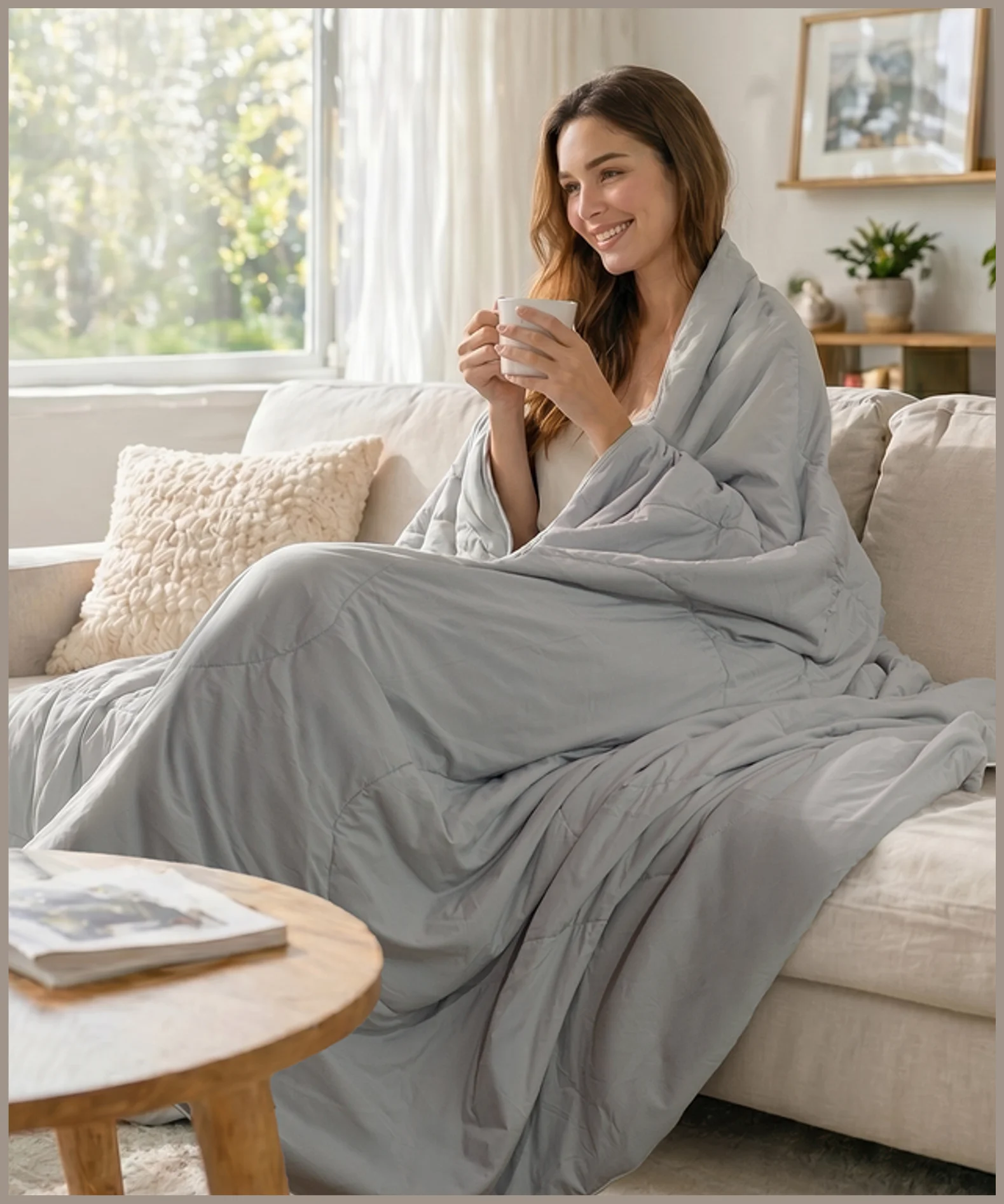
Image Title:How to Wash Cooling Comforter Without Losing Cooling Effect
Alt Text:how to wash cooling comforter, step by step guide to clean and maintain cooling comforter
Caption:Ultimate cooling comforter washing and care guide for long-lasting cooling performance
Description:Learn how to wash cooling comforter safely, dry correctly, and avoid common cleaning mistakes that ruin cooling functionality.
<h2>Internal Linking Suggestions</h2>
Link to cooling comforter for night sweats blog | Link to best all season cooling comforter blog | Link to cooling comforter size guide blog