



<h1>Cooling Comforter Clumping & Shifting: How to Fix & Prevent Lumpy Cooling Bedding</h1>
A high-performance cooling comforter can completely transform hot sleeper sleep — but only when its fill stays evenly distributed. Many users experience a common frustrating issue: cooling comforter clumping shifting, clumping fill, and lumpy spots that ruin overnight cooling performance. When fill bunches up in corners or creates thick clustered patches, bedding traps heat, develops sweaty hot spots, and leaves bare cold areas across the mattress.
Unlike dense traditional comforters, lightweight cooling comforters feature low-density fluffy fill that is far more prone to movement and clumping without proper construction and care. Understanding why cooling comforters shift and how to fix lumpy bedding will help you maintain flat, uniform coverage and long-lasting cooling function. We reference textile structure and bedding maintenance research from The Sleep Foundation to deliver reliable solutions.
To avoid cooling comforter clumping shifting, it’s important to understand how to maintain the even distribution of fill throughout the comforter. Following proper care guidelines can help prevent the issues of clumping and shifting.
<h2>Why Cooling Comforters Develop Fill Clumping & Shifting</h2>
Cooling comforters are built with lightweight, airy fill designed for maximum airflow. This unique material characteristic creates multiple potential causes for lumps and shifting.
<h3>1. Poor Stitching Construction (No Box Stitching)</h3>
Additionally, innovative designs in cooling comforter manufacturing can significantly reduce the chances of cooling comforter clumping shifting. Selecting a product with advanced stitching technology and high-quality materials can enhance your sleeping experience.
The leading cause of cooling comforter clumping is cheap stitching design. Comforters without independent box compartments use simple straight stitching. Fill can freely slide along large open sections during sleep movement and washing. Over a short time, all fill slides toward corners, leaving large empty thin zones in the center. Premium cooling comforters use box stitching to lock fill inside individual small compartments and limit movement.
<h3>2. Improper Washing & Drying Methods</h3>
Aggressive wash cycles, high heat drying, and overloaded washing machines violently twist cooling comforter fill. Lightweight fill tangles and compacts into tight clumps. Many hot sleepers accidentally damage their cooling comforters by ignoring temperature limits and cycle settings during laundry.
Maintaining a proper washing routine is also crucial in preventing cooling comforter clumping shifting. Avoiding harsh cycles and ensuring a gentle approach can prolong the life of your comforter and its fill.
<h3>3. Long-Term Body Pressure & Night Movement</h3>
Every night, tossing and turning creates continuous friction and pressure on the comforter surface. Without stable compartment stitching, gradual fill migration occurs month after month. This issue becomes more obvious for active sleepers and couples who share one cooling comforter.
<h3>4. Low-Quality Fill Material</h3>
Cheap recycled fill loses elasticity quickly after repeated washing. Once fibers lose bounce, they stick together permanently and cannot be fluffed back into even distribution. High-grade down-alternative fill maintains elasticity and resists permanent clumping.
<h3>5. Using Oversized Comforters Without Duvet Covers</h3>
Oversized cooling comforters slide freely inside beds. Excess fabric creates constant pulling force, dragging fill toward edges and corners. A well-fitted duvet cover helps restrict overall comforter movement and reduces fill shifting.
<h2>How Fill Clumping Destroys Cooling Comforter Performance</h2>
Most sleepers only view lumps as a cosmetic annoyance, but clumping directly negates your cooling comforter’s core functionality.
When fill clumps into thick bunches, these clustered areas trap body heat and sweat, forming persistent hot spots. Meanwhile, empty thin zones lack coverage, exposing skin and causing inconsistent temperature. Instead of a balanced cooling surface, you alternate between overheating and cold drafts all night long.
Uneven fill also disrupts fabric flatness. Wrinkles and folded fabric block airflow, closing the micro-pores that enable heat dissipation and moisture evaporation. The result: your cooling comforter slowly turns into inefficient uneven bedding, even if the outer fabric remains intact.
<h2>Quick Methods to Fix Already Lumpy Cooling Comforters</h2>
If your cooling comforter already has clumped fill, use these proven steps to redistribute fill and restore even coverage.
For those struggling with cooling comforter clumping shifting, consider implementing a daily fluffing routine. Fluffing your comforter every morning can help maintain its shape and prevent lumps from forming.
<h3>1. Manual Fluff & Shake Method</h3>
Lay the comforter flat on an open surface. Firmly grasp each corner and shake vigorously back and forth. Work each compartment individually to break up compacted fill. Push clumped fill gently outward toward empty thin areas. Repeat daily for several days to loosen tangled fibers.
<h3>2. Low Heat Tumble Dry With Dryer Balls</h3>
Place the lumpy cooling comforter into a large capacity dryer together with 2 to 3 clean dryer balls. Select air-only or lowest heat mode. The dryer balls repeatedly strike clumps to separate compressed fill. Stop halfway through the cycle, take the comforter out, and manually redistribute fill before continuing drying. Never use high heat.
<h3>3. Air Fluff Outdoors</h3>
If you notice any signs of cooling comforter clumping shifting, it’s best to address the issue immediately. Taking action early can prevent further complications and ensure you enjoy the full benefits of your cooling comforter.
Hang the cooling comforter in shaded, well-ventilated outdoor space. Strong natural airflow expands compressed fill fibers. Shake repeatedly while hanging to break lumps apart. Avoid direct sunlight that weakens cooling fabric.
<h3>4. Wash Using Gentle Cold Cycle + Extra Rinse</h3>
Severely compacted fill often occurs due to detergent residue sticking fibers together. Run a cold gentle wash cycle with a tiny amount of mild detergent and enable an extra rinse. After washing, dry slowly with dryer balls to separate stuck fill fibers. Remember: no fabric softener at any stage.
<h2>Key Features to Look For When Buying a Clump-Resistant Cooling Comforter</h2>
The best long-term solution for clumping is choosing a well-constructed cooling comforter from the start. Focus on these critical features during purchase.
<h3>1. Full Box-Stitch Compartment Design</h3>
Box stitching creates independent sealed square pockets. Fill cannot travel freely across large sections, limiting shifting even after hundreds of washes. Avoid channel stitching, edge stitching, or unstitched open-panel comforters.
<h3>2. Elastic, High-Grade Down-Alternative Fill</h3>
Premium microfiber fill maintains elasticity and bounce after repeated cleaning. Low-cost recycled fill compacts permanently and cannot be restored once lumpy.
<h3>3. Reinforced Corner Loops</h3>
Corner tabs allow you to secure the cooling comforter inside a duvet cover. Fixing the four corners prevents the whole comforter from sliding and twisting overnight, drastically reducing fill migration.
**<h3>4. Tight Outer Shell Weave</h3>
Strong tight-weave fabric prevents internal fiber tangling and resists stretching. Loose thin shell material stretches easily, allowing larger fill shifts over time.</h3>
<h2>Daily Habits to Prevent Cooling Comforter Fill Shifting</h2>
<h3>1. Use a Matching Duvet Cover With Corner Ties</h3>
Connect the comforter’s corner loops to the ties inside your duvet cover. This locks the comforter in place and stops twisting and sliding during sleep. This single step reduces most fill shifting issues.
<h3>2. Fluff Your Cooling Comforter Every Morning</h3>
A one-minute daily shake and fluff prevents small clumps from growing into permanent dense lumps. Regular maintenance keeps fill evenly distributed long-term.
<h3>3. Avoid Overloading Washing Machines</h3>
Give your cooling comforter enough space to move freely inside the washer. Cramped space twists fill severely and accelerates clumping. Use large capacity laundry equipment when washing cooling bedding.
<h3>4. Never Hang Heavy Weighted Objects On Your Comforter</h3>
Leaning heavy items or folding tightly for long storage compresses fill and creates permanent flat zones and clumps. Fold loosely or lay flat during seasonal storage.
<h2>Common Mistakes That Make Comforter Clumping Worse</h2>
<h3>Mistake 1: Using High Heat To Dry Lumpy Comforters</h3>
High heat melts fill fibers together, creating permanent hard clumps that cannot be separated. Once fibers fuse, no amount of fluffing will restore even distribution.
<h3>Mistake 2: Ignoring Corner Loops & Skipping Duvet Ties</h3>
Without secured corners, the comforter constantly twists inside the duvet cover, forcing fill to slide toward corners every night.
<h3>Mistake 3. Washing Too Infrequently</h3>
Built-up sweat, dust, and body oils act like glue, sticking fill fibers together and forming tough clumps. Regular gentle cleaning prevents fiber adhesion.
<h3>Mistake 4. Buying Ultra-Thin Comforters Without Box Stitching</h3>
Many cheap lightweight cooling comforters cut costs by removing box stitching. These products are guaranteed to develop severe shifting within a short time.
<h2>Frequently Asked Questions About Cooling Comforter Clumping</h2>
<h3>Can you fix permanently clumped cooling comforter?</h3>
If fill fibers are fused from high heat, complete recovery is impossible. Comforters with non-heat compacted fill can be significantly improved with repeated fluffing and low-heat tumble drying.
<h3>Does every lightweight cooling comforter clump?</h3>
No. Properly box-stitched cooling comforters with high elastic fill resist clumping for years. Clumping is almost always a sign of poor construction or incorrect care.
<h3>Is channel stitching as good as box stitching for preventing shifting?</h3>
Ultimately, the goal is to enjoy a restful night’s sleep without the interruption of cooling comforter clumping shifting, allowing for an uninterrupted and refreshing sleeping experience.
No. Long channel stitching allows fill to slide horizontally for long distances. Independent square box compartments offer far superior anti-shifting performance.
<h3>How often should I fluff my cooling comforter to avoid lumps?</h3>
Daily light fluffing in the morning is ideal. A thorough shake once every 2–3 days is enough to stop small clumps from developing.
<h2>Final Conclusion: Stop Fill Shifting to Preserve Cooling Performance</h2>
Cooling comforter clumping and fill shifting are not unavoidable flaws of lightweight cooling bedding. Most lumpy issues stem from poor manufacturing, wrong laundry practices, or missing simple stabilizing accessories such as tied duvet covers.
By selecting box-stitched high-quality cooling comforters, following gentle washing and drying rules, and building simple daily fluffing habits, you can maintain even fill distribution, flat airflow, and consistent cooling performance throughout your comforter’s lifespan. Fixing and preventing clumping protects your bedding investment and ensures sweat-free balanced cool sleep every night.
<h2>Contact Us for Bedding Selection Advice</h2>
If you need help choosing a clump-resistant cooling comforter with reliable box-stitch construction, contact our team for personalized bedding recommendations.
<h2>Featured Image SEO Package</h2>
Image Title:Cooling Comforter Clumping & Fill Shifting Fix Guide
In summary, understanding the factors that lead to cooling comforter clumping shifting is essential for any sleeper. With the right care and maintenance, you can maximize the performance of your cooling comforter.
Alt Text:cooling comforter clumping shifting, how to fix lumpy cooling comforter and prevent fill shifting
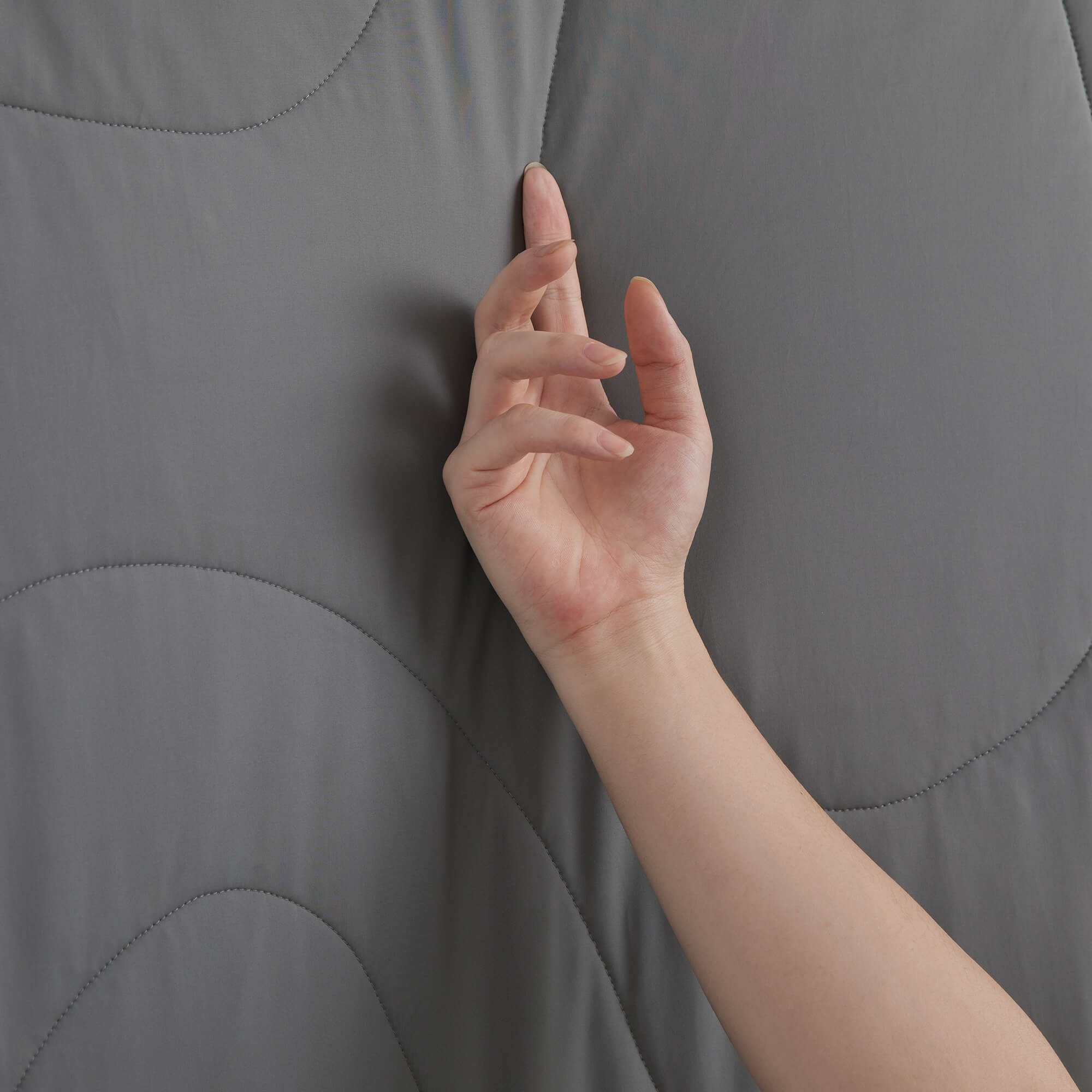
Caption:Expert guide to repair and avoid cooling comforter lumps, fill migration and uneven coverage
Description:Discover why cooling comforters get lumpy, effective ways to fix clumped fill, and key buying features to prevent cooling comforter shifting long term.
<h2>Internal Linking Suggestions</h2>
Link to how to wash cooling comforter blog | Link to cooling comforter for hot sleepers blog | Link to lightweight cooling comforter blog | Link to all season cooling comforter blog